
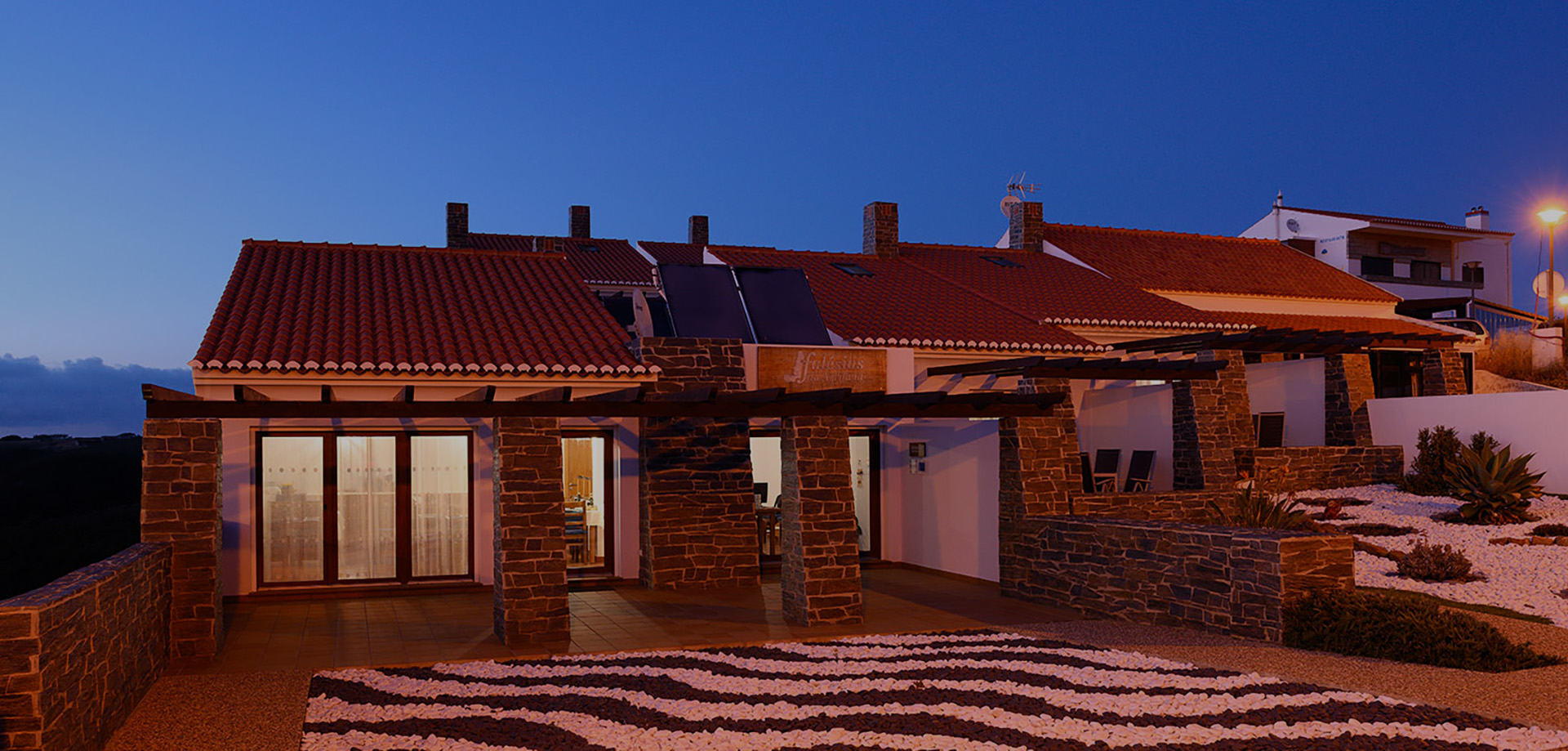
We want to offer the best that the region has to offer
Places to visit in the village of Aljezur
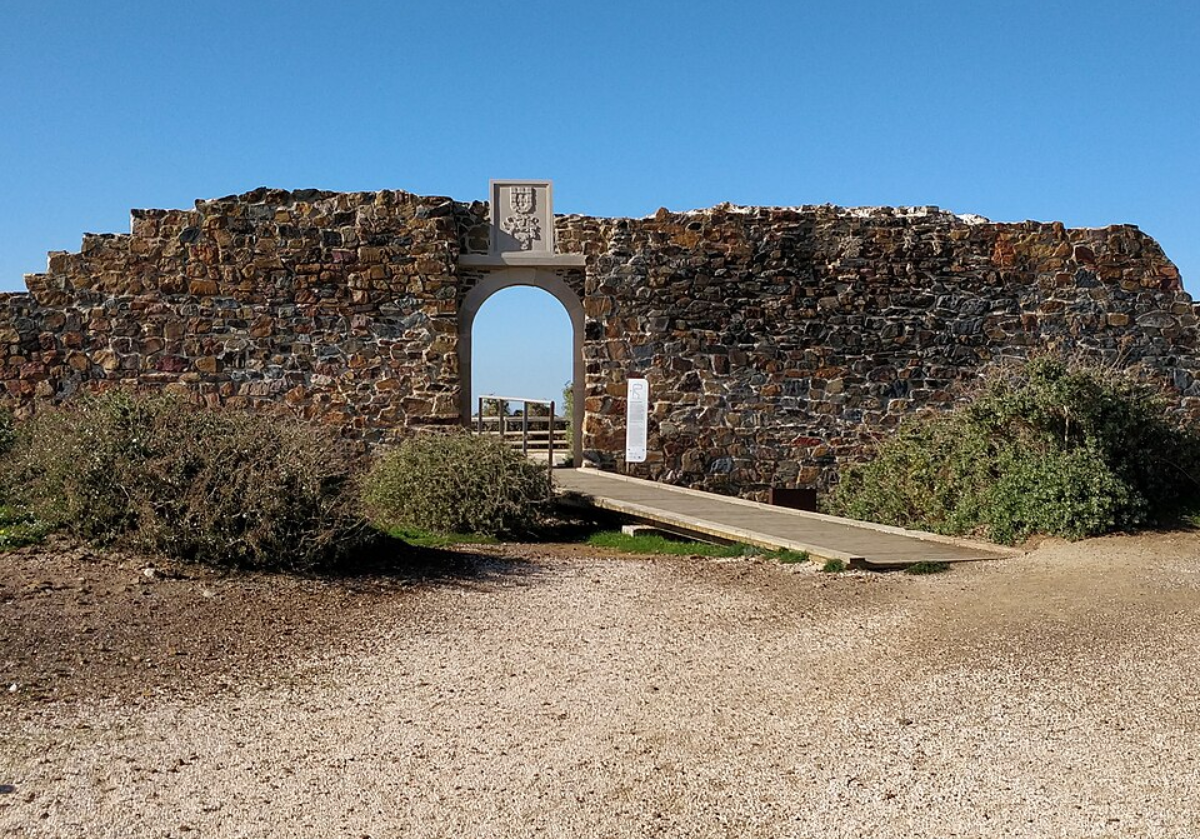
Arrifana Fortress

Church of Our Lady of Alva
The Church of Our Lady of Alva was built at the end of the 18th century and features a neoclassical style. Its interior has three naves, a transept, and several chapels, resembling the structure of a small cathedral. The altarpiece of the main altar, from the beginning of the 19th century and influenced by the Enlightenment, stands out, where the image of Our Lady of Alva with the Child Jesus is found.
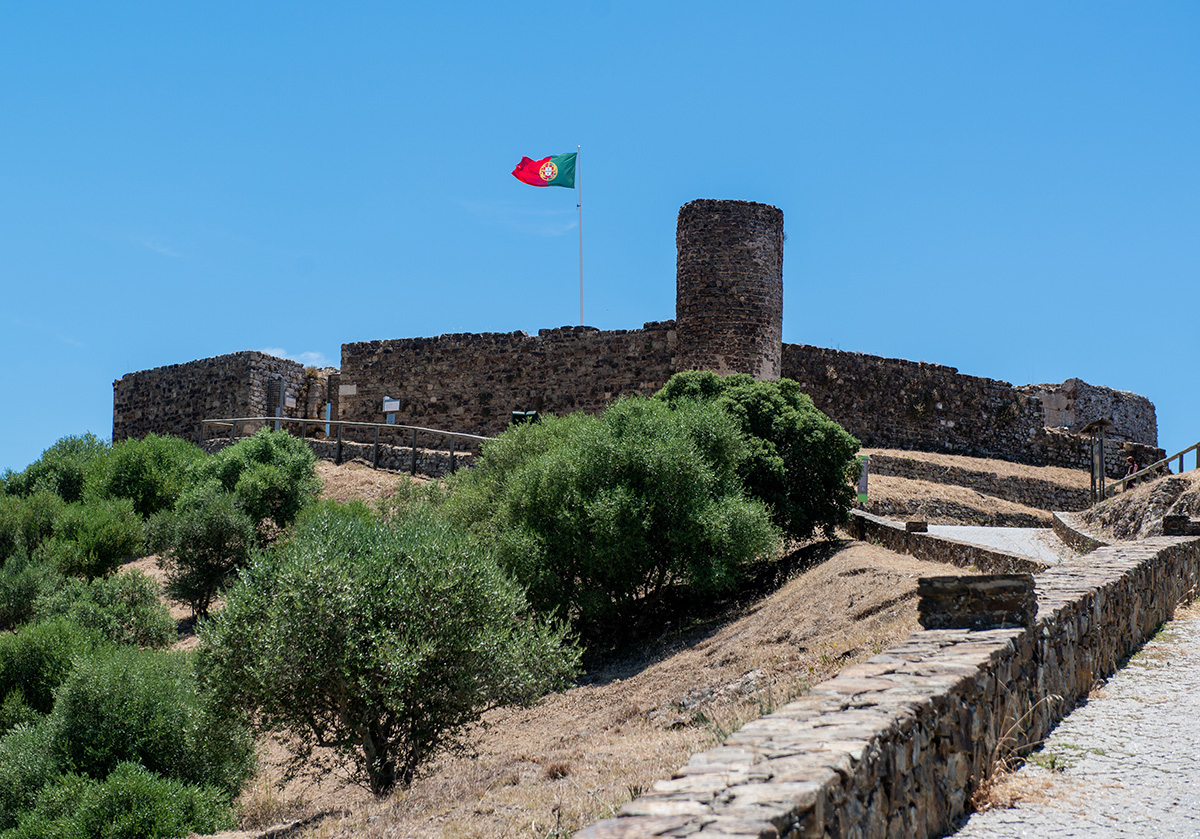
Aljezur Castle
Aljezur Castle is a 10th-century Islamic fortification situated on a high point overlooking the town and surrounding valleys. It was part of the region's defensive system and was the last Islamic castle in the Algarve to be conquered by the Christians, in 1249, during the reign of King Afonso III.

Municipal Museum
The Municipal Museum is located in the former Aljezur Town Hall building, built in the 19th century. The museum's collection is divided into three distinct spaces: the Archaeological Section, the Ethnographic Section, and the Islamic Room of the "Andalusian Legacy". The Archaeological Section presents a vast collection of objects that bear witness to more than 10,000 years of human presence in the region.

Museum of Sacred Art - Monsignor Manuel Francisco Pardal
It is a Museum of Sacred Art comprised of pieces from the Misericórdia of Aljezur, the Parish of Nossa Senhora da Alva, some donations and acquisitions, arranged and distributed in display cases according to the Liturgical Season of the Catholic Church: Advent, Christmas, Ordinary Time, Lent and Holy Week, Easter, Pentecost and Ordinary Time. Also noteworthy are an Indo-Portuguese ivory Christ, an image of Our Lady of Sorrows, and a painting of Moses.
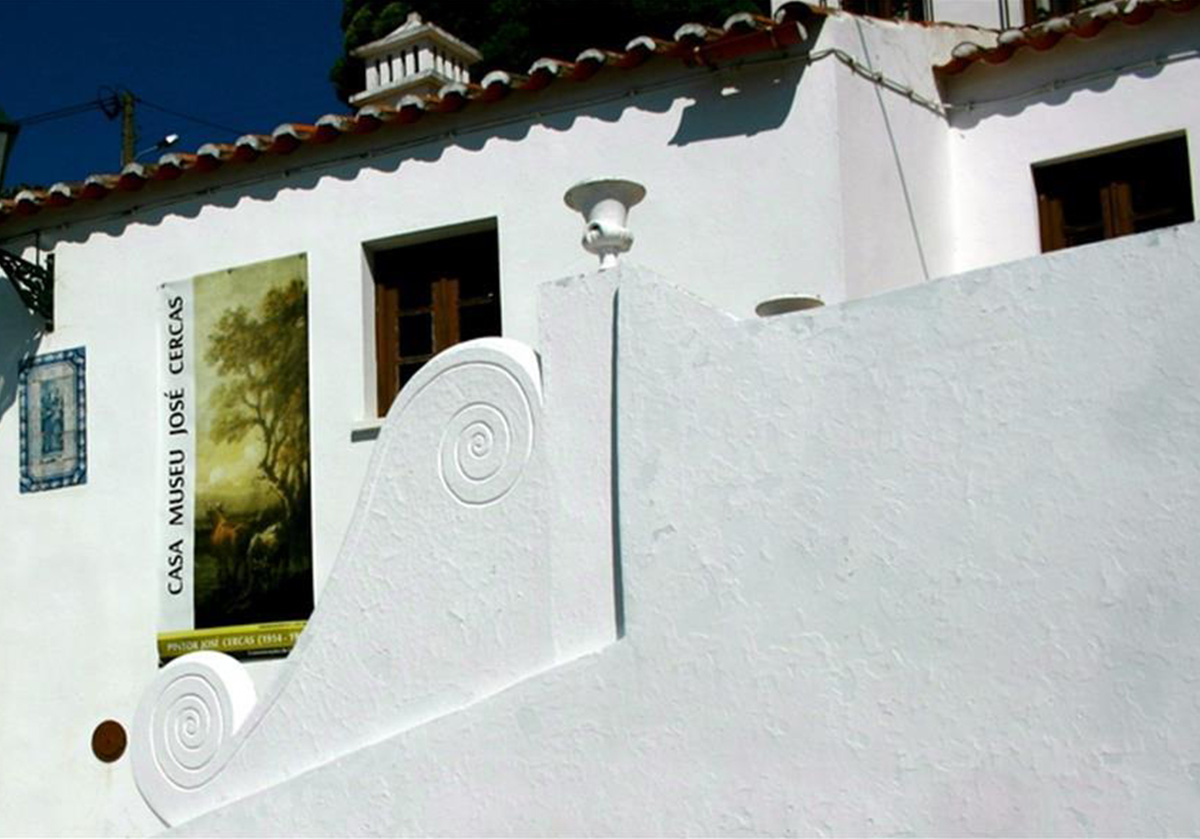
José Cercas Painter's House Museum
It is a House-Museum that perpetuates the memory and work of José Cercas, a native of Aljezur. A collector of various antique pieces, he managed throughout his life to gather a valuable collection, now exhibited in the museum. Composed of pieces of tableware, sacred art, sculptures and furniture, it also features several paintings and drawings by him and international artists.

Antoniano Museum of Aljezur
The Antoniano Museum in Aljezur houses a collection of mostly contemporary sacred art, as well as a set of 17th and 18th-century pieces of some relevance. Although its collection is mostly dated from the 19th and 20th centuries, it also has some important pieces from the 17th and 18th centuries.

Gastronomy
The municipality of Aljezur boasts a rich gastronomic heritage, beginning with its Aljezur sweet potato (IGP), which is honored at one of the Algarve region's best gastronomic festivals, the Aljezur Sweet Potato Festival. It also offers wonderful fish caught off our coast – sea bream, gilthead bream, sea bass, red mullet, and highly prized shellfish, including the excellent barnacles also harvested from our coast. Other popular dishes include beans with sweet potato, cabbage stew, octopus, and fried moray eel.Não esquecendo a famosa doçaria, à base de batata-doce: bolo, torta, pudim ou pastéis de batata-doce.
Come and discover the beaches of the Aljezur municipality.
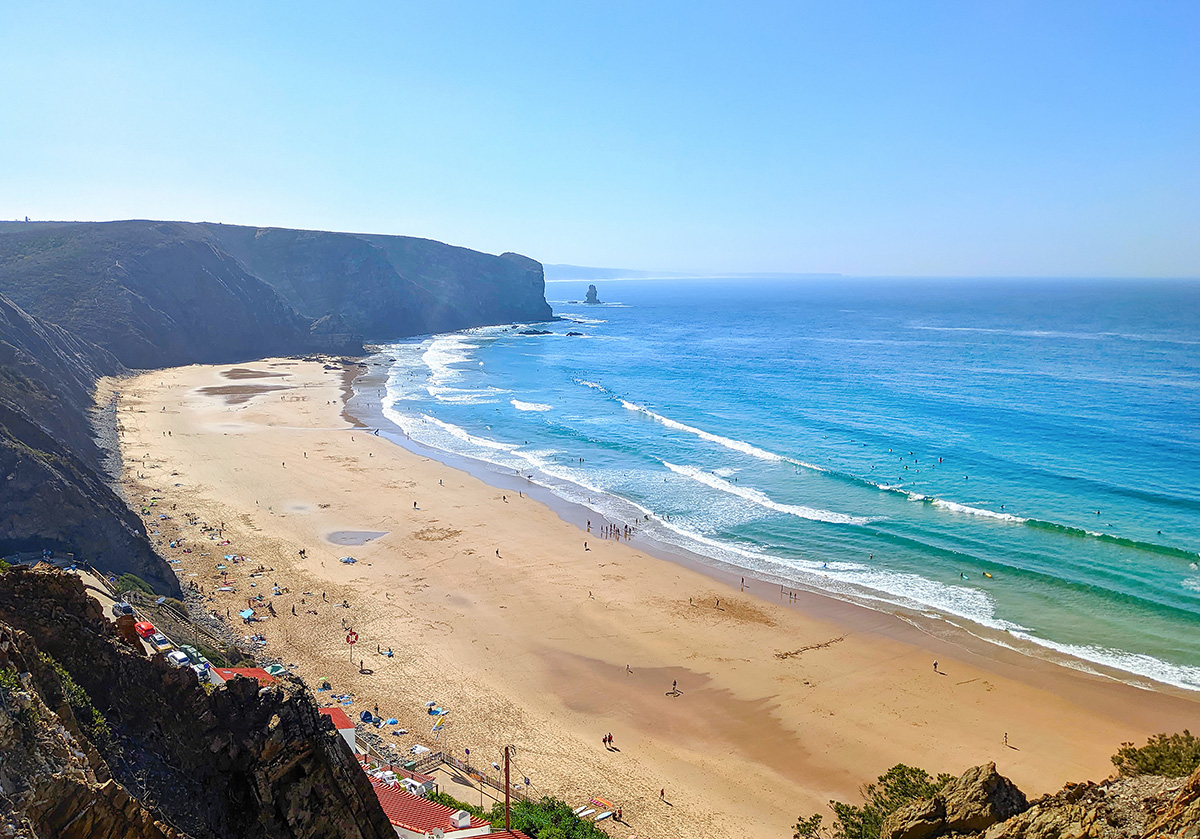
Arrifana Beach
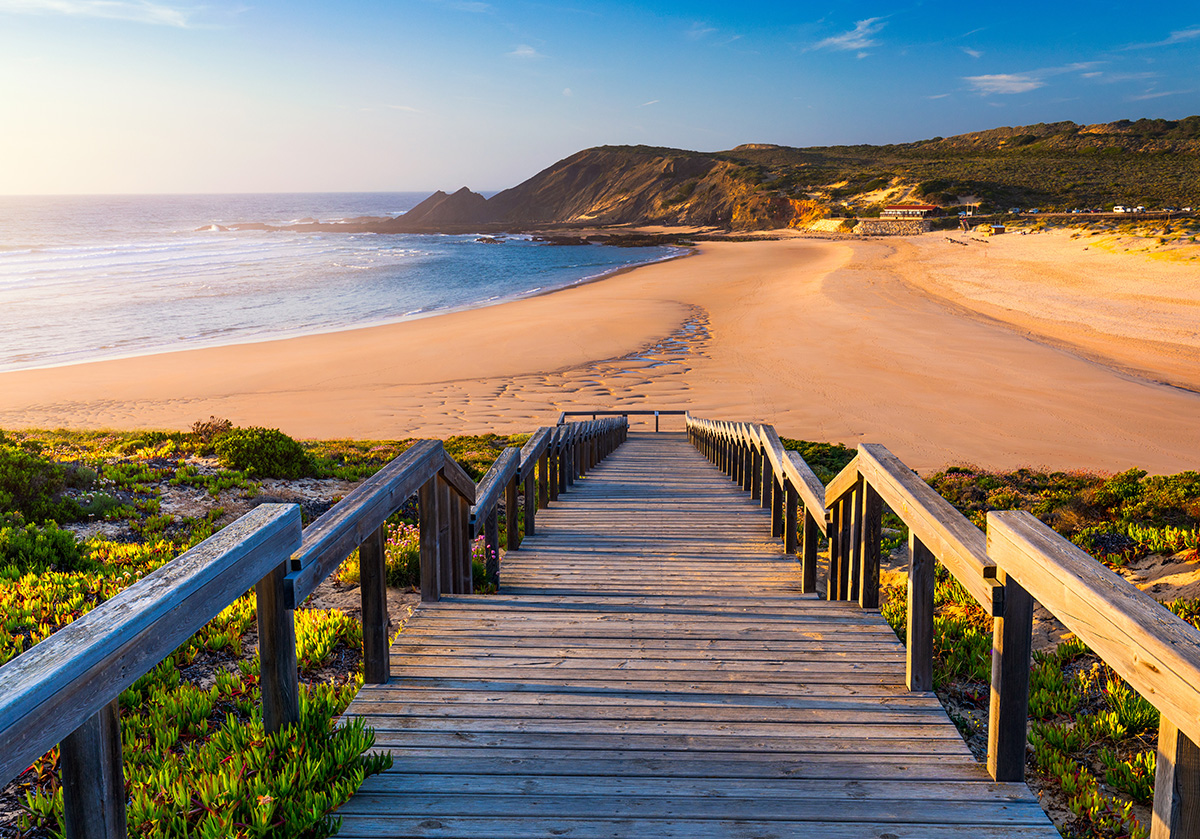
Amoreira Beach
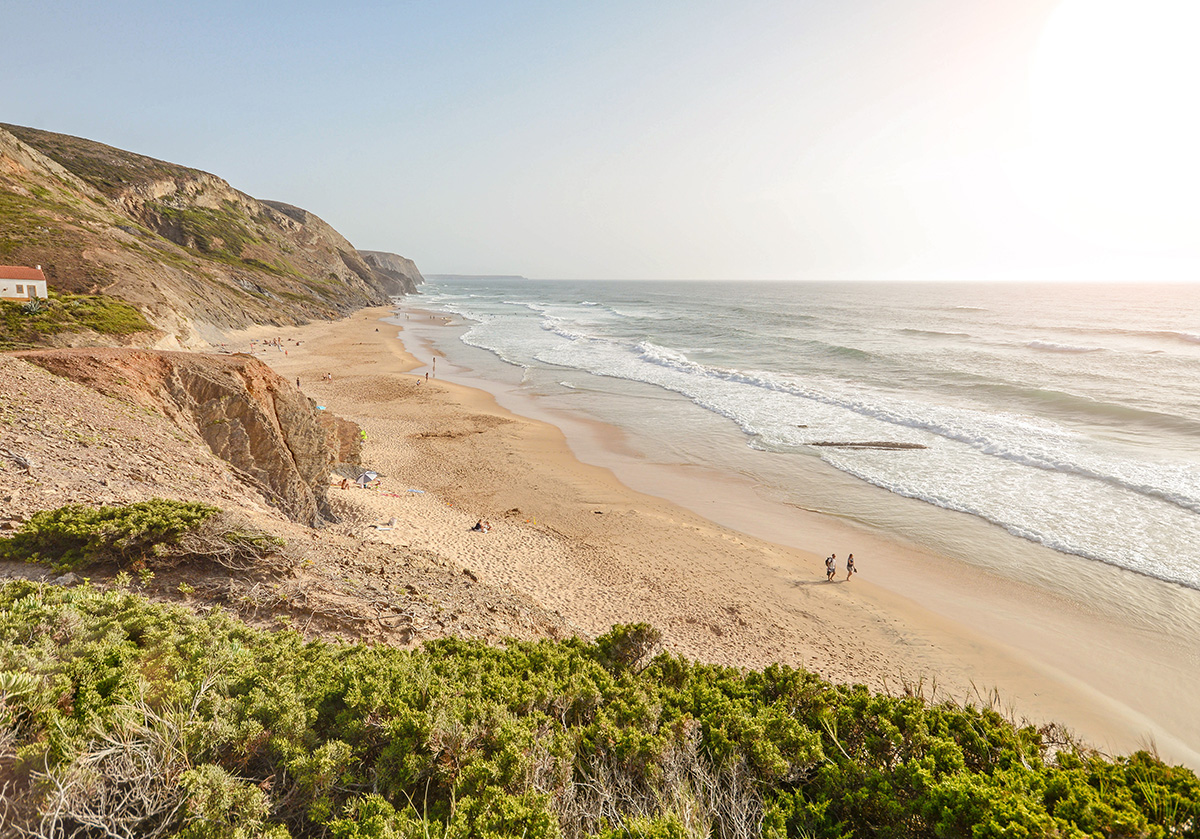
Vale Figueiras Beach


